On the path toward solar architecture
On the Path to Solar Architecture: Energy-Efficient Buildings for the Future.
Why is it important to consider the use of solar energy in architecture?
Although the amount of solar energy reaching the Earth is 3,000 times greater than global energy demand, we still rely almost entirely on non-renewable energy sources, primarily derived from fossil fuels. The resulting environmental issues—air pollution, acid rain, the greenhouse effect, and climate change—are well known.
It is time to rethink our approach and follow a sustainable path toward development based on renewable energy sources such as solar, wind, water, and biomass.
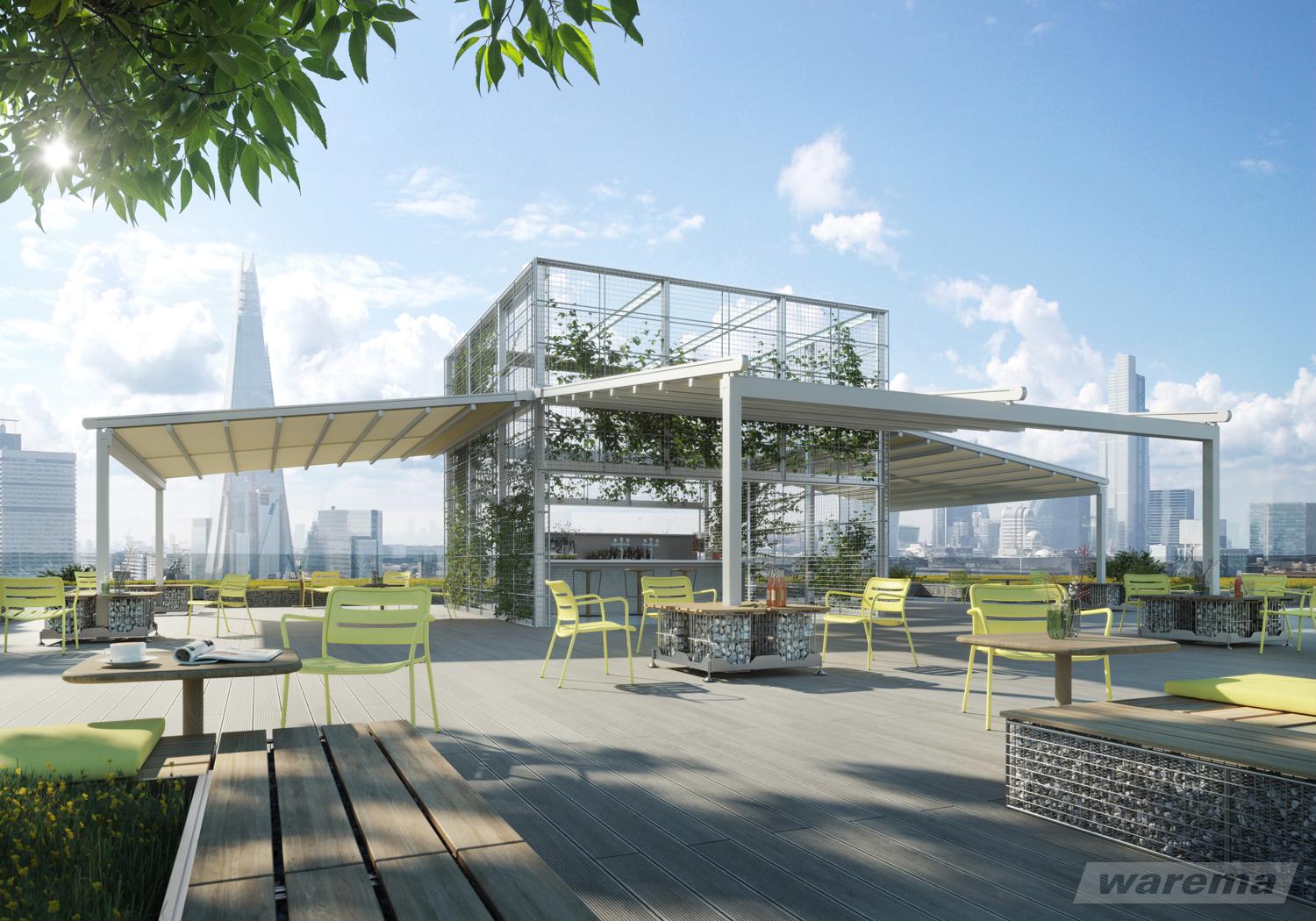
Cooling – the largest energy consumer in office buildings. How can building overheating and cooling costs be reduced?
Architecture and construction play a key role in this context. Nearly half of the energy consumed in Central Europe is used for building operation, including heating, cooling, and lighting. For a long time, the latter two aspects were largely neglected.
When solar architecture gained importance in the early 1970s due to two oil crises, the initial focus was primarily on preventing heat loss, heating buildings in winter, and providing heating for residential and industrial buildings. However, especially in office buildings, the issue of cooling is usually far more critical and requires significantly more energy. Compared to heating, space cooling requires approximately three times more energy.
Why do indoor spaces overheat?
-
Due to solar radiation
-
Due to heat emitted by occupants
-
Due to heat generated by equipment (computers, technical devices)
-
Due to artificial lighting
Why should a building be planned as a unified energy system?
Solar energy cannot be limited to individual solutions such as collectors or photovoltaic systems on the roof. A building should be viewed as a complex structure with an integrated energy system that maximizes the use of locally available natural resources such as solar, wind, and geothermal energy.
An increasingly important role is also played by the building envelope, which is controlled by an intelligent management system that responds to various conditions and weather factors, including:
-
solar intensity
-
seasonal changes
-
weather conditions
Such complex structures require a holistic, interdisciplinary planning approach, with all relevant experts involved at an early stage.
How does smart building management help improve comfort and safety?
Energy efficiency, comfort, and safety are key requirements of modern buildings. Thanks to smart networks and intelligent room automation, these challenges can be effectively addressed. Whether it is a single-family home or a large-scale building, the solutions offered by LuxControl in cooperation with WAREMA ensure reliable and secure solar shading control in smart buildings.
Our control systems are based on various technologies that enable secure signal transmission and ensure the most efficient possible management of building comfort. For example, with the WAREMA Climatronic KNX system, LuxControl can provide not only automatic blind control via a weather station, but also perform precise solar shading calculations based on surrounding buildings’ shading, seasonal changes, and the position of the sun.
Which façade solutions help protect buildings from heat in summer?
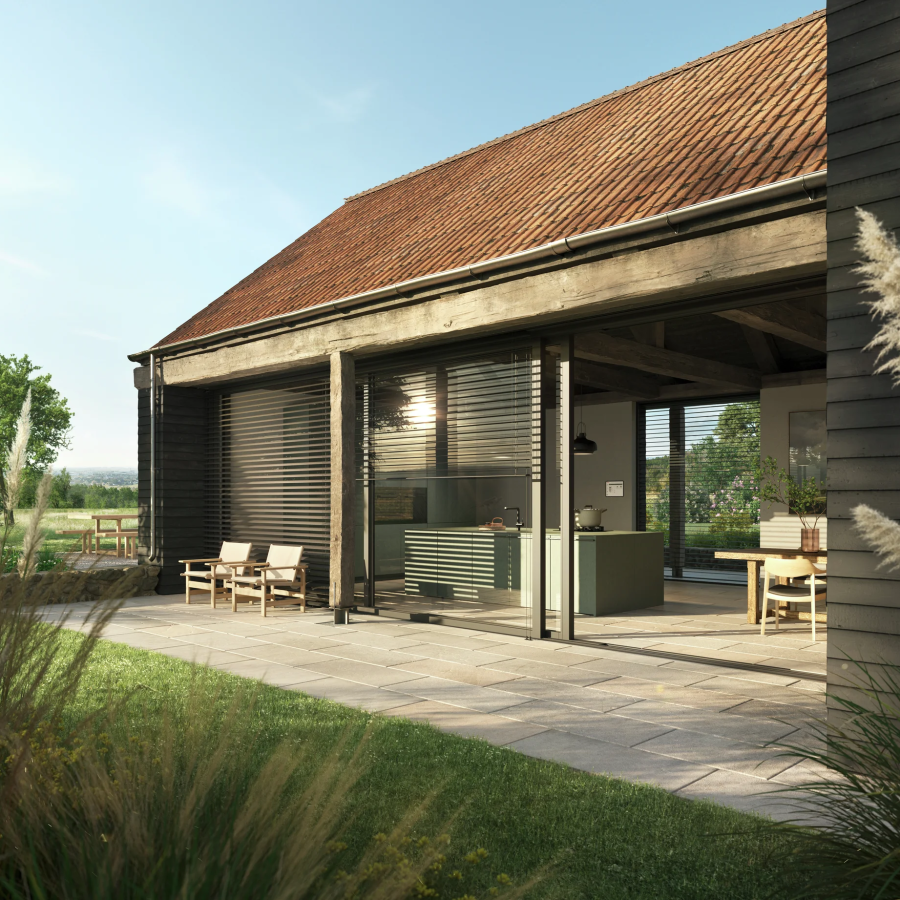
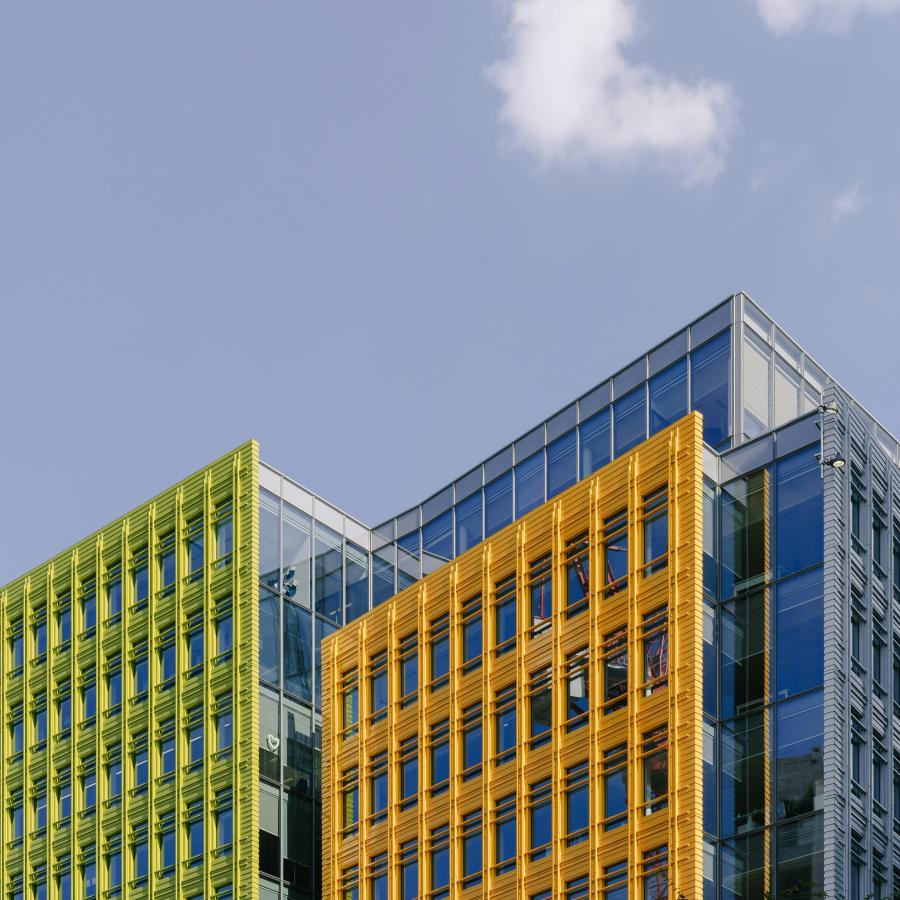
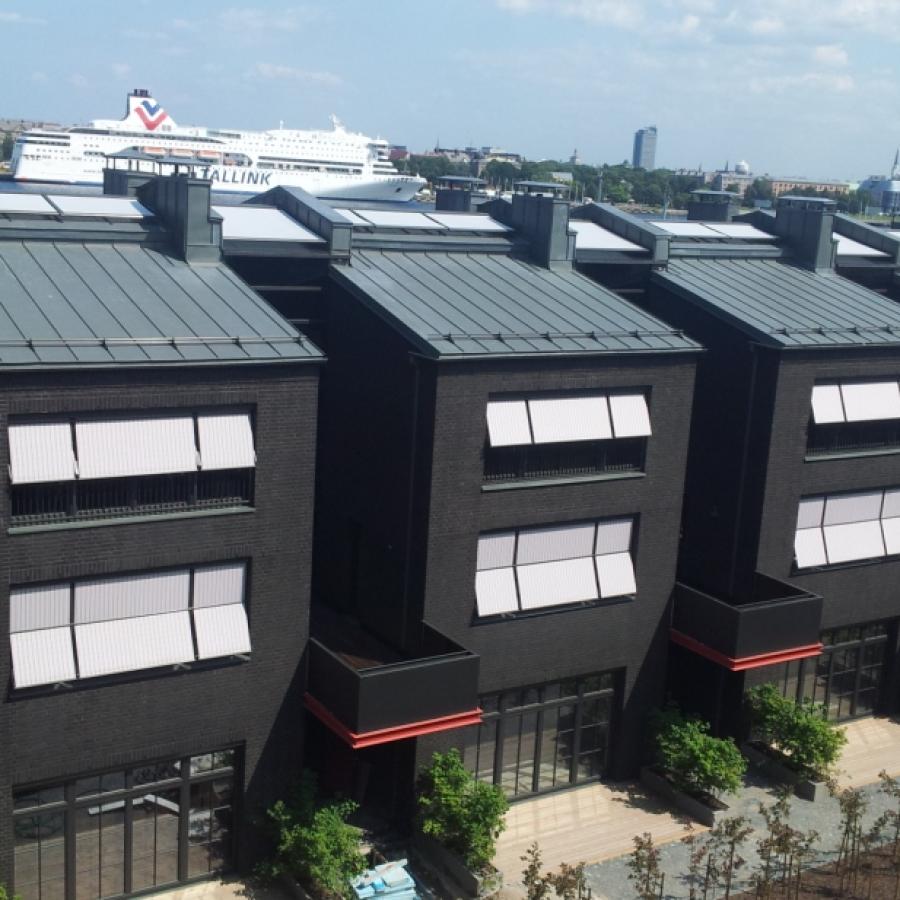
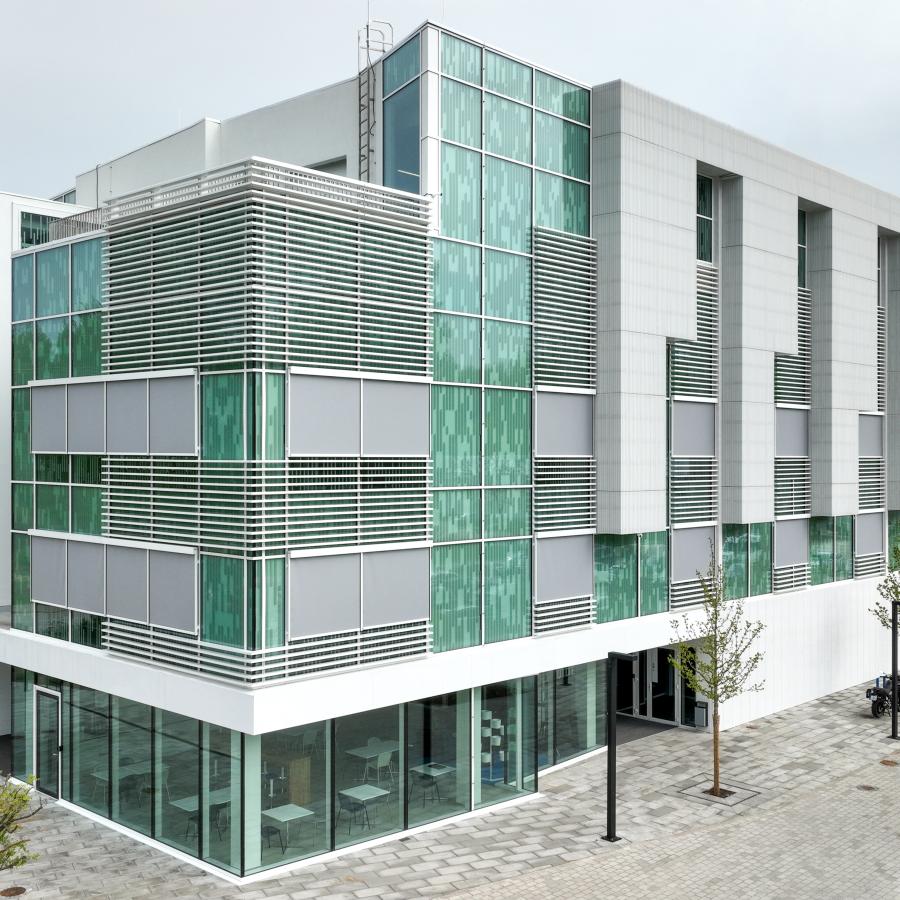
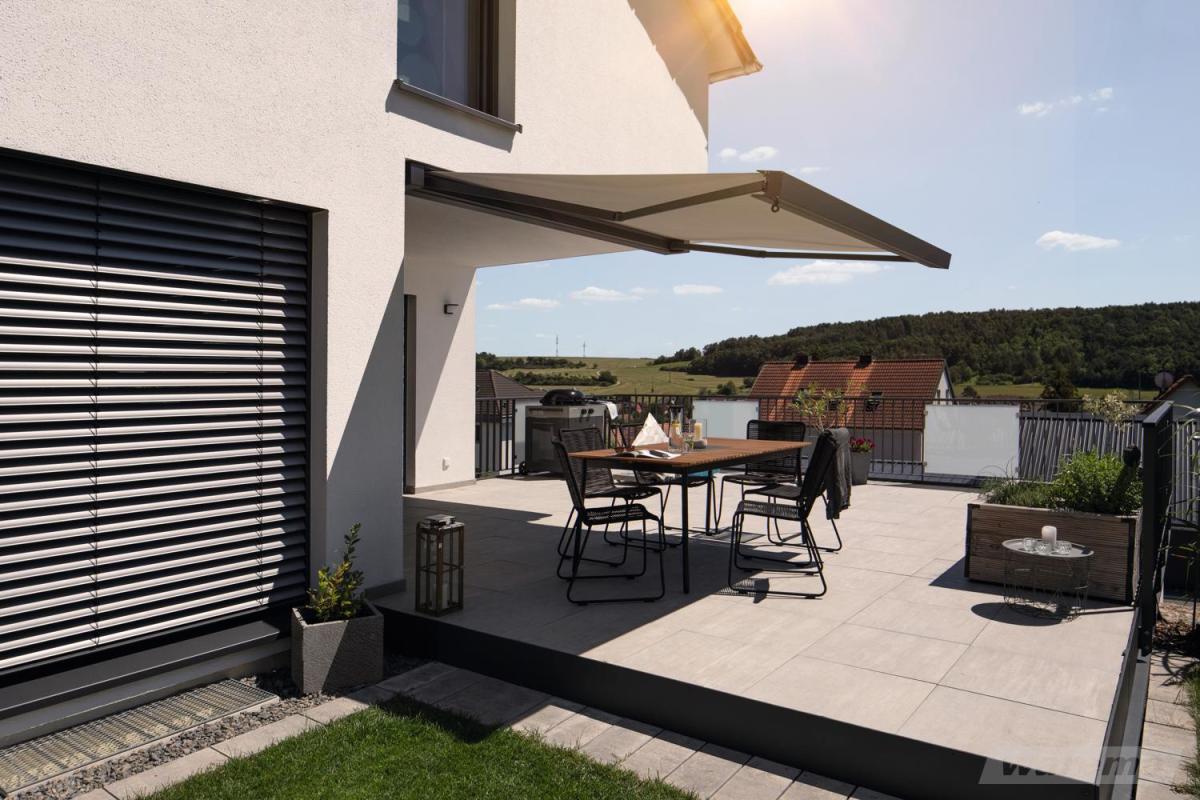
In modern construction, protection against summer heat is an essential consideration. A well-insulated external façade effectively prevents heat loss in winter, but in summer it can retain heat that enters the building through glazed surfaces. Therefore, to prevent indoor spaces from overheating, it is important to regulate solar radiation entering the building. In many cases, this eliminates the need for energy-intensive cooling.
The most effective ways to prevent indoor overheating include:
-
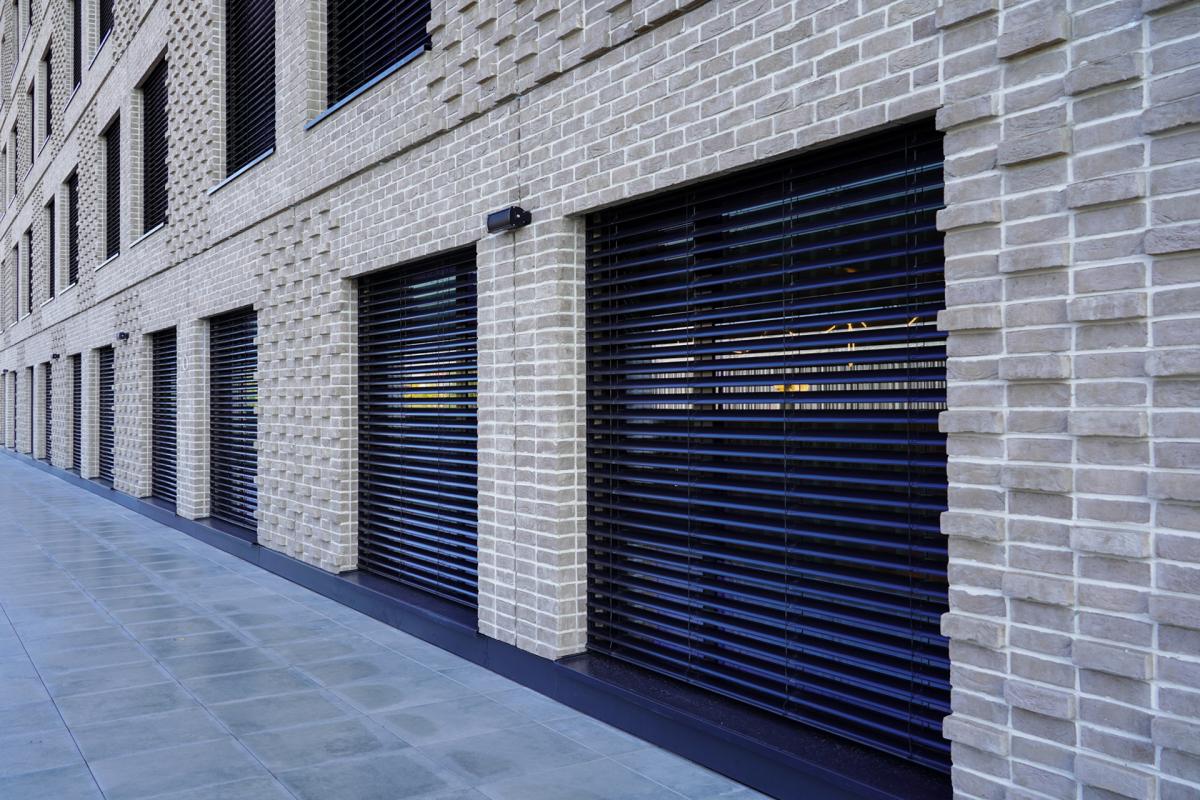
external venetian blinds
-
façade awnings
-
external screen systems
The less solar radiation enters the interior, the lower the need for energy-intensive cooling.
How can interior shading solutions reduce heat buildup?
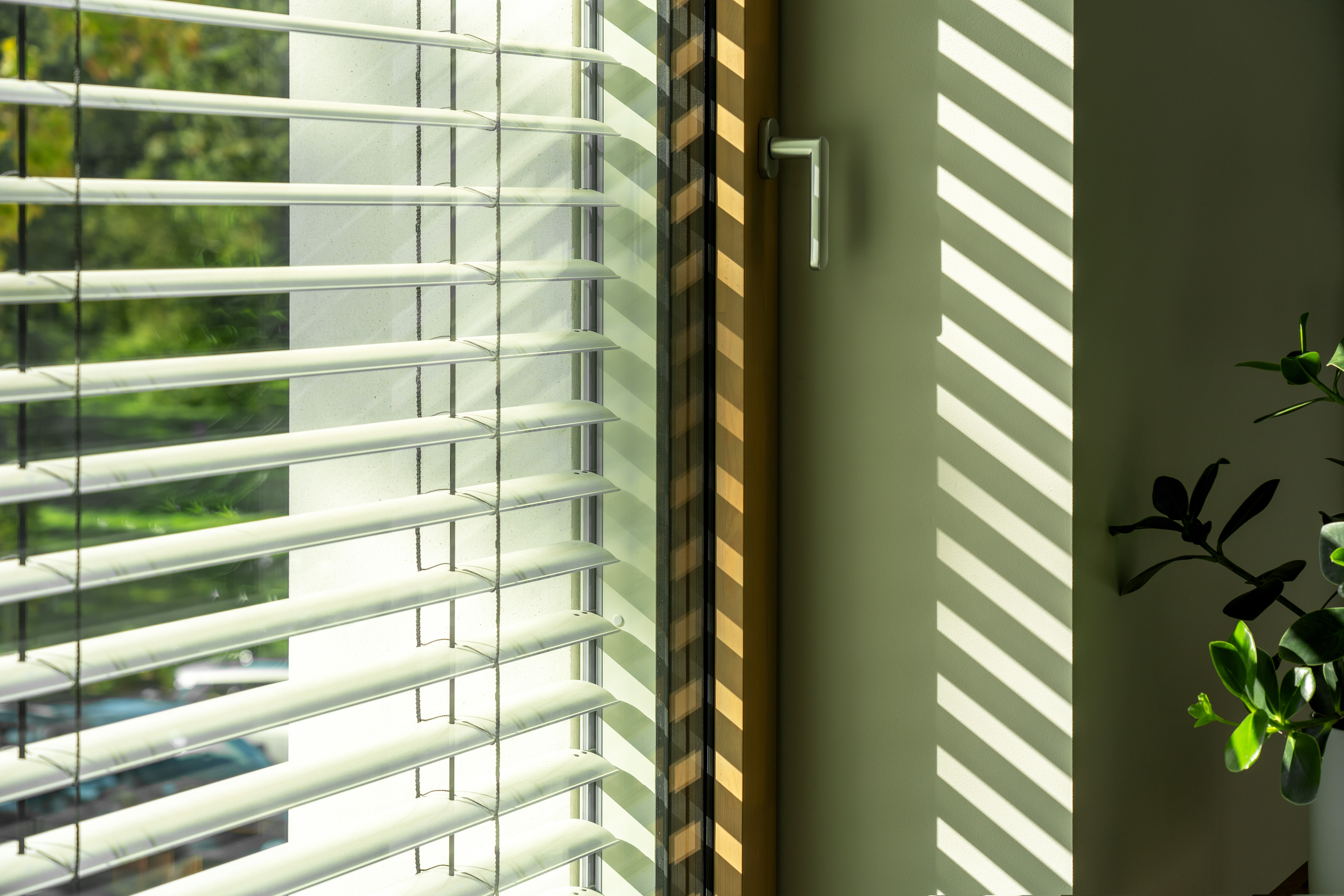
When using interior solar protection, it is important that the radiation entering through glazing is reflected back outside as much as possible. The portion of radiant energy that is absorbed inside the building remains there, creating a greenhouse effect.
How does solar shading help save heating energy in winter?
Thermal protection in winter means reducing heating energy consumption. Solar shading systems that are fully lowered and closed provide additional thermal resistance, thereby improving the window’s U-value. For this reason, it is recommended to activate existing solar shading systems during winter nights.
Why is natural light important indoors?
Natural light is essential for visual comfort and plays a vital role in human well-being. It increases productivity and influences our internal body clock through changes in light levels throughout the day. Therefore, it is important to find a balance between minimal energy consumption and good daylight availability, even when solar shading is activated.
How to choose shading to avoid glare on screens?
Excessive light can cause glare, for example on computer monitors. Therefore, when selecting solar shading solutions, glare protection is an important factor. Effective options include:
-
façade venetian blinds
-
interior blinds
-
roller blinds
-
façade awnings with opaque fabrics
Maintaining a view through the window is important for human well-being even when solar shading is in use. Partially transparent fabrics also allow a visual connection to the outside.
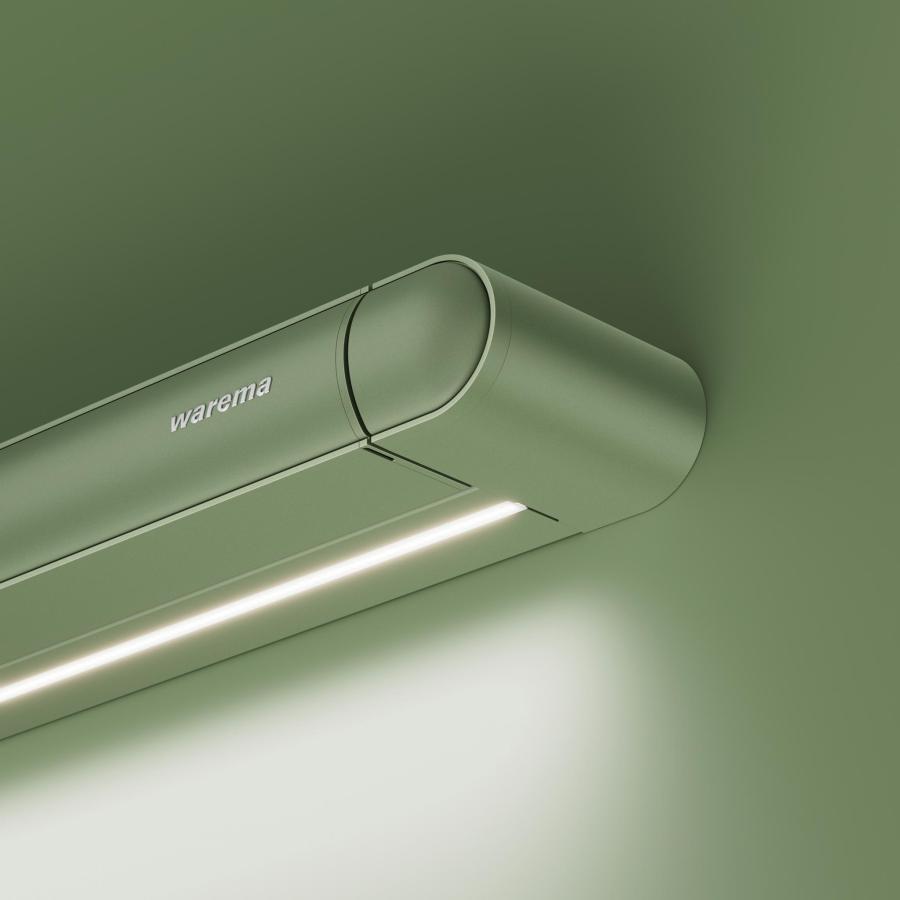
Why is it important to choose lighting with good color rendering?
An often underestimated factor of visual comfort is the Color Rendering Index (CRI). It indicates how accurately colors are reproduced, with a value of 100 representing optimal naturalness. Products with a low CRI significantly distort colors—for example, white paper may appear orange.