Modulārā būvniecība un saules aizsardzības risinājumi: markīzes, žalūzijas, fasādes žalūzijas
Facade awnings: types, advantages, and how to choose the best solution
What are facade awnings?
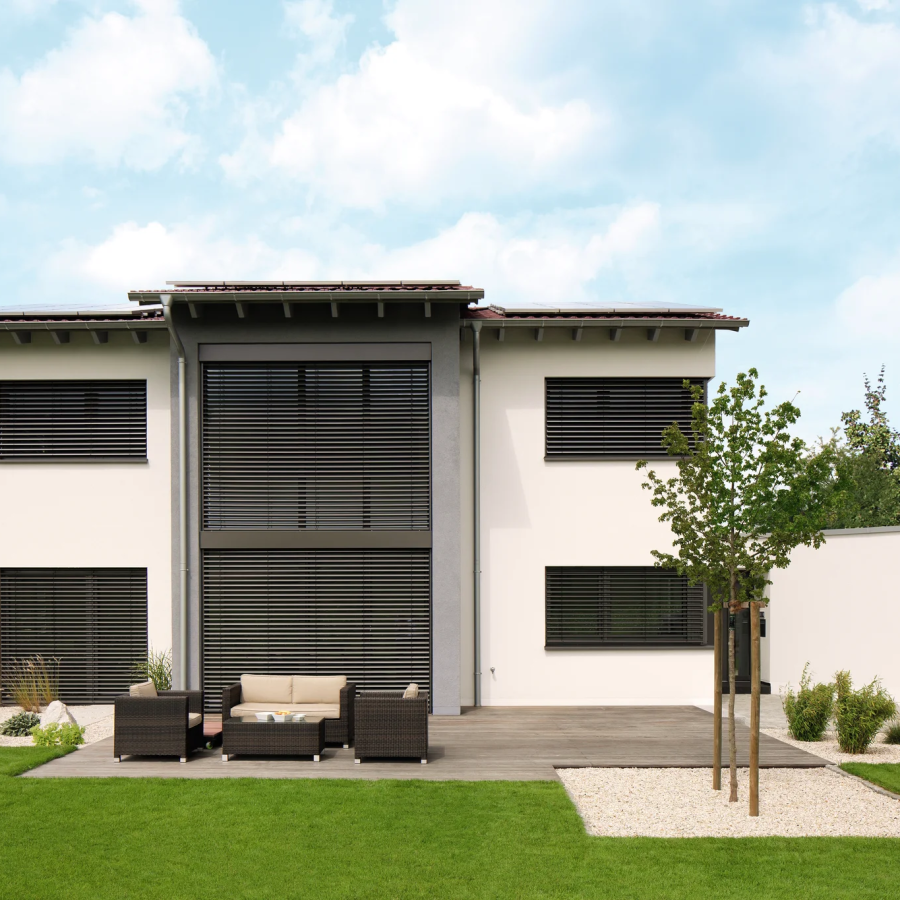
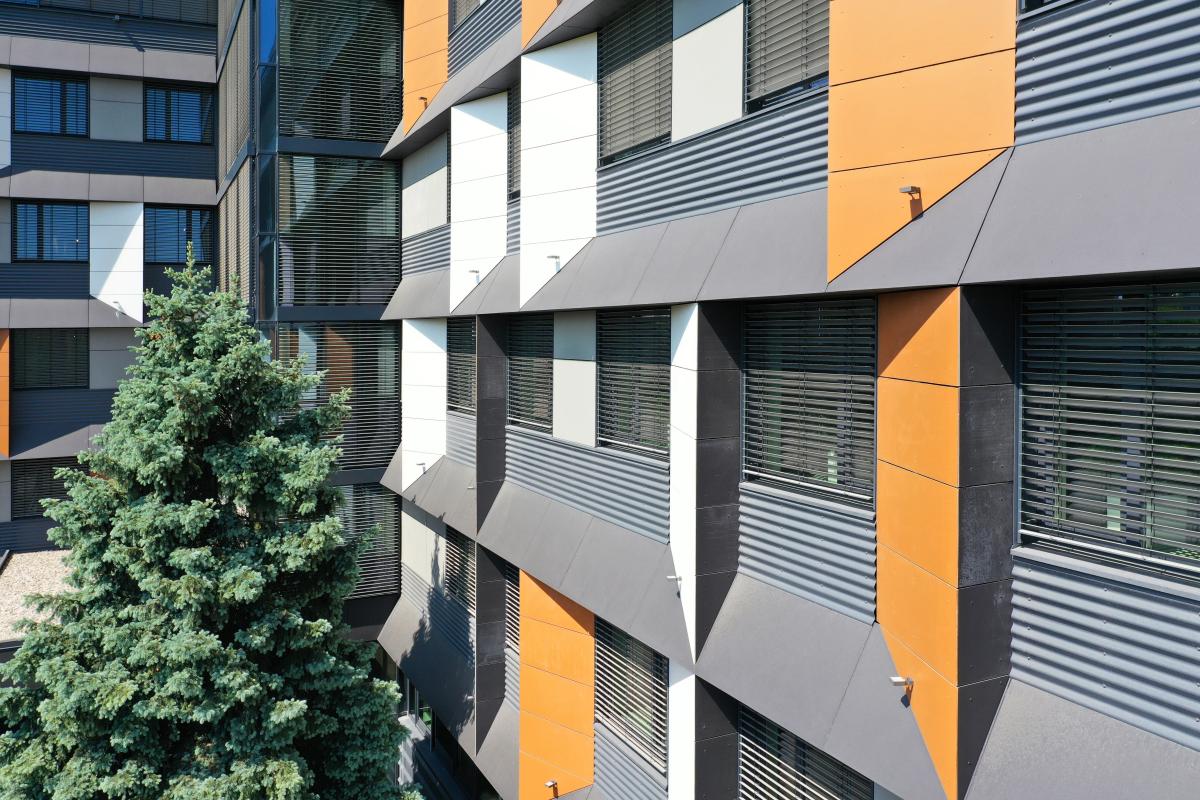
Facade awnings are one of the most effective external sun protection solutions, installed on a building facade or windows to reduce the impact of solar radiation on indoor spaces and help reduce room overheating, improve energy efficiency, and increase comfort in both residential and commercial buildings. They are becoming increasingly popular in modern architecture, where both functionality and aesthetics are important.
By choosing facade awnings, it is possible to significantly improve the indoor climate, reduce air conditioning costs, and ensure pleasant lighting without excessive heat.
Which facade awning brand should you choose?
When choosing facade awnings, it is important to pay attention not only to the type, but also to the manufacturer, as this affects the system’s quality, durability, and technological capabilities.
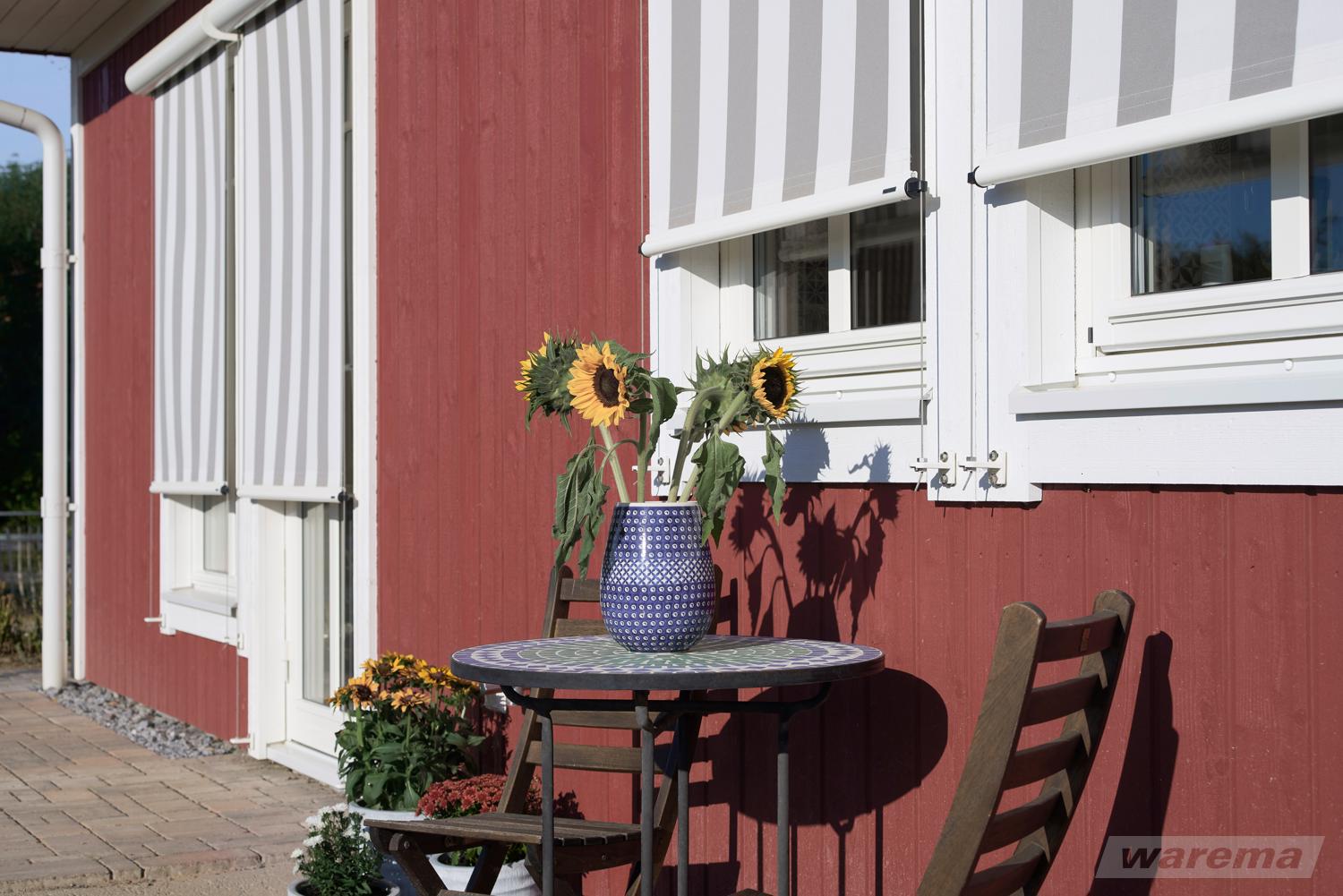
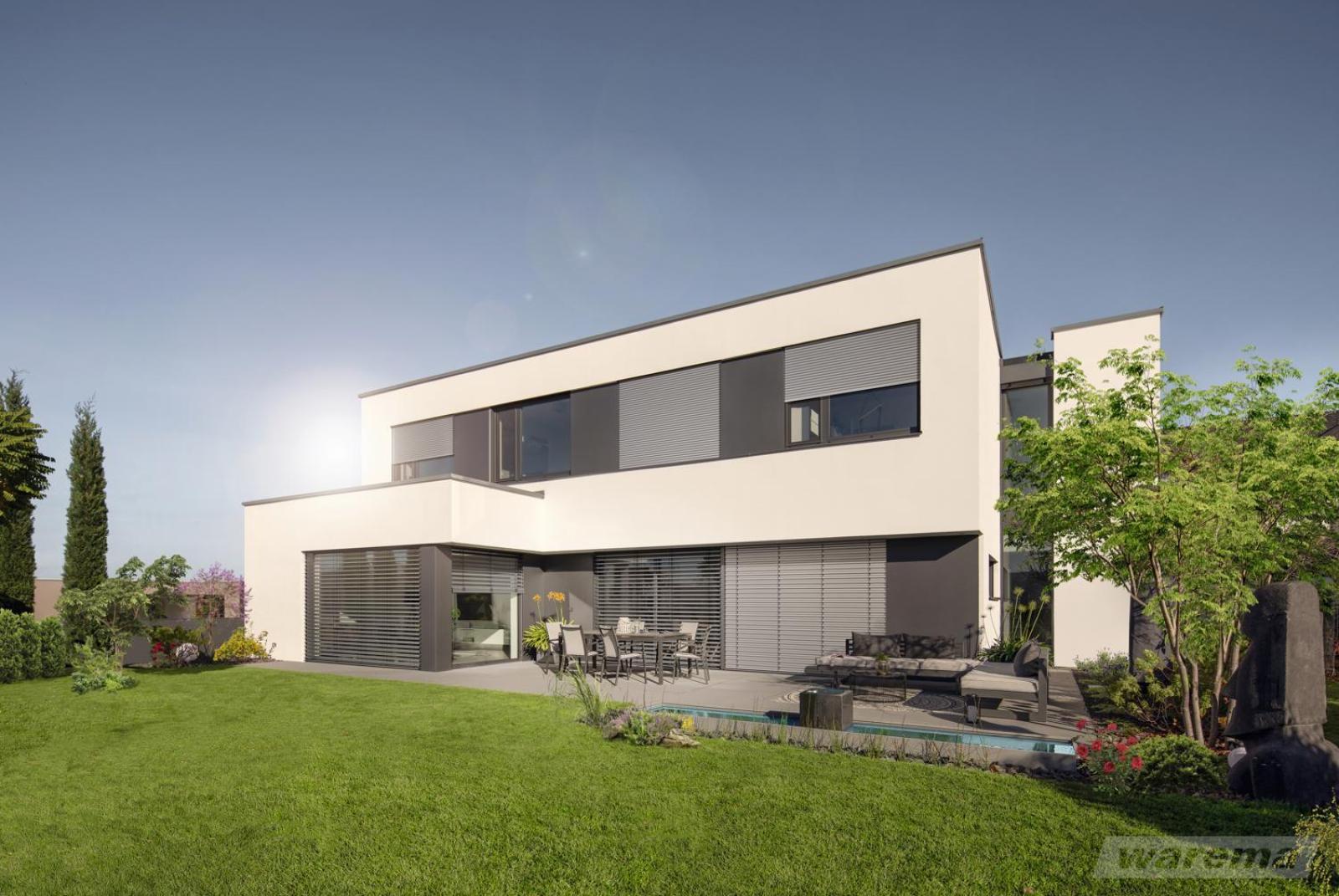
One of the leading European manufacturers is WAREMA, which offers high-quality external sun protection solutions for both residential and commercial buildings. This brand’s facade awnings stand out with precise workmanship, wide design possibilities, and modern control systems.
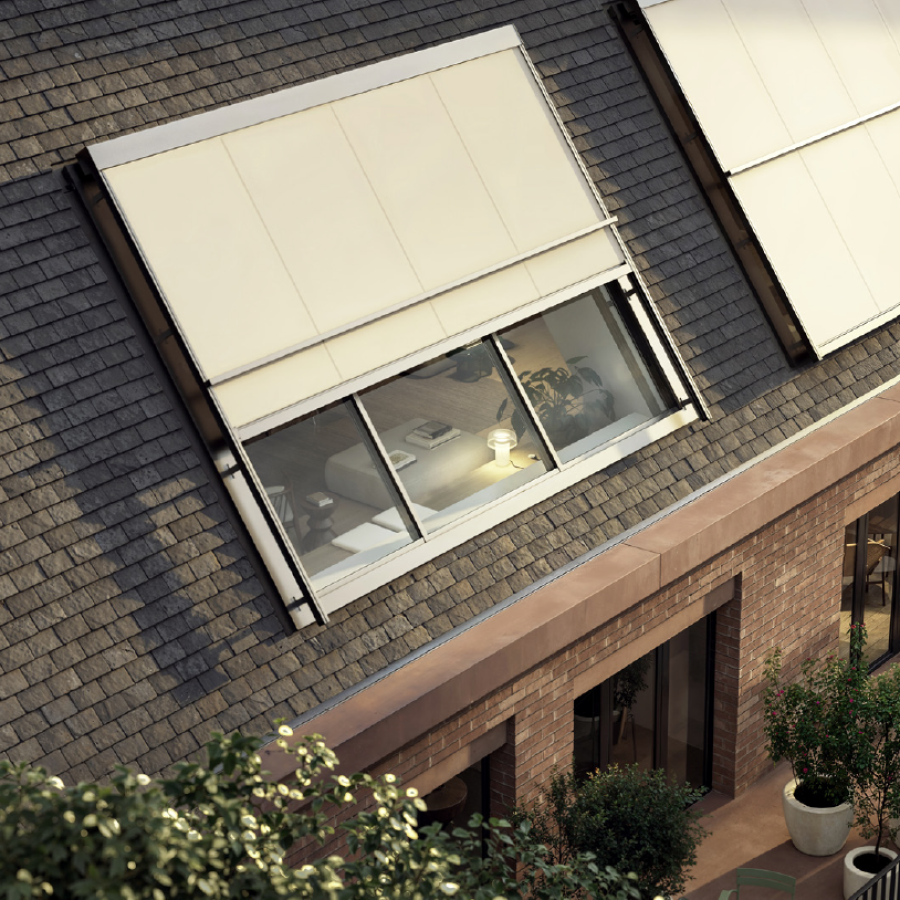
WAREMA systems are especially suitable for projects where both functionality and architecture matter. They offer various solutions – vertical awnings, integrated awnings, as well as systems with guide rails that ensure high stability in wind, etc.
In addition, WAREMA awnings are fully customizable – they can be integrated into the facade or installed visibly, with a choice of different designs, colors, and fabrics. They are also easily integrated into automation systems, ensuring comfort and energy efficiency in everyday use.
Types of facade awnings and comparison
| Type | Description | Advantages | Disadvantages | Where best to use |
|---|---|---|---|---|
| Vertical facade awnings | Descend vertically along the window like an external curtain. |
|
May reduce the amount of daylight in the room. | Windows, glass facades, offices. |
| Facade awnings with ZIP system | The fabric is secured in side guides using a zipper-like principle. |
|
Slightly higher price. | Windy locations, tall buildings, glazed facades. |
| Drop-arm facade awnings | Project outward at a certain angle. |
|
Less protection from direct sunlight. | Living spaces. |
| Retractable facade awnings | Retract horizontally with an articulated arm mechanism. |
|
Low wind resistance. | Terraces, balconies. |
| Integrated / built-in facade awnings | Hidden in the facade or niche. |
|
More expensive, must be planned in the project. | New builds, architectural projects. |
When should you choose facade awnings?
Facade awnings are one of the most effective solutions when high-quality sun protection, comfort, and a modern facade appearance are needed. They are widely used in both private homes and office buildings, where energy efficiency and indoor climate control are important.
-
Rooms overheating in summer
If rooms become too hot during the summer and there is a constant need for air conditioning, facade awnings are one of the most effective solutions. They reduce the impact of solar radiation before it reaches the window glass, thereby significantly reducing heat accumulation. As a result, the indoor microclimate is improved and energy costs are reduced.
-
The building has large windows or a glass facade
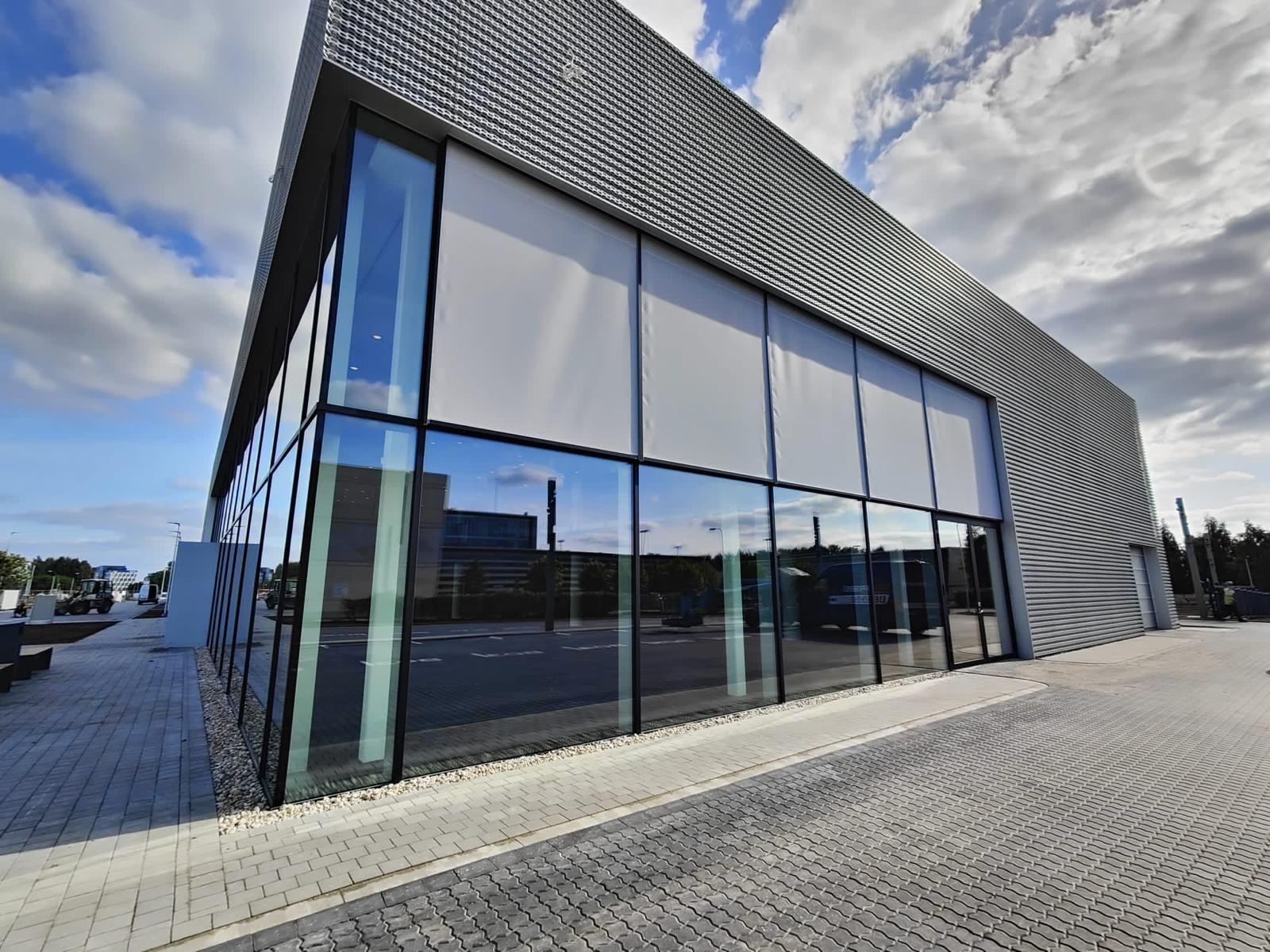
In buildings with large windows, glass facades, or display windows, the impact of the sun is significantly greater. In such situations, facade awnings provide more effective protection than interior solutions because they block heat on the outside. This is especially relevant for office buildings, commercial spaces, and modern private homes.
- Natural daylight is needed
Facade awnings allow natural daylight to be maintained while reducing disturbing glare. This is essential in the working environment, especially when using computers, as well as in living spaces where comfort matters. Awnings filter direct sunlight, providing even and pleasant illumination.
-
A lightweight and aesthetically pleasing external sun protection solution is needed
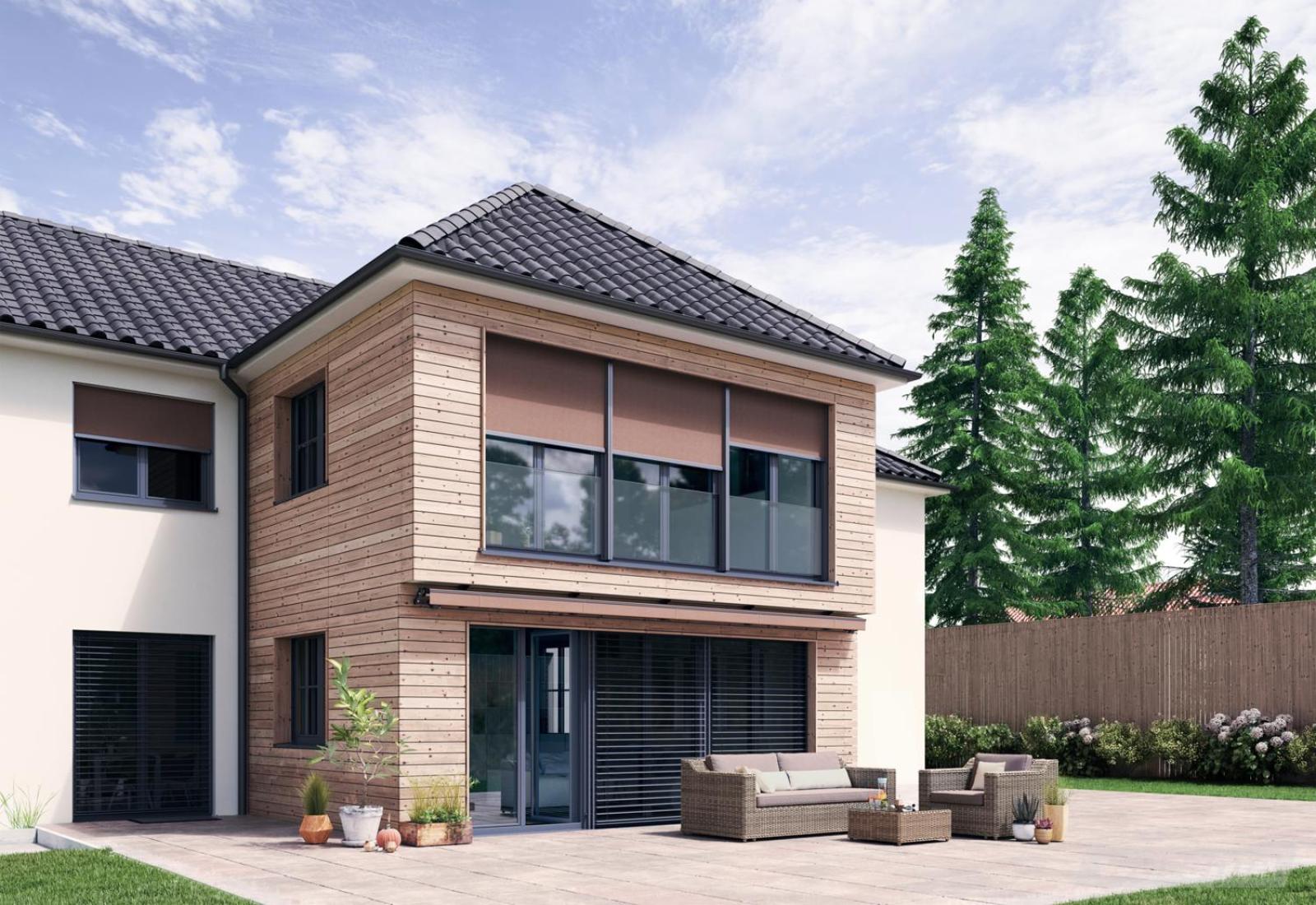
Compared with other external systems, facade awnings are visually lighter and integrate more harmoniously into the building facade. They operate more quietly and create a modern, aesthetic look, making them especially suitable for residential buildings and architectural projects. If the visual quality of the building is important in the project, facade awnings are an excellent solution. They fit perfectly into modern architecture and renovation projects. Integrated awnings allow a clean and minimalist facade appearance to be maintained because they can be almost invisible.
-
Automation and smart home solutions are planned
Facade awnings are easily integrated into automated systems. They can be equipped with sun, wind, and weather sensors that ensure automatic operation. This not only increases comfort, but also extends the service life of the awnings and improves energy efficiency.
-
An adjustable and flexible sun protection solution is needed