Building a house? Plan ahead for external blinds to avoid façade alterations later.
Building a house? What should you plan for so that external blinds can be installed in the future without altering the façade?
When designing and building a private house, dozens of decisions need to be made – about windows, the façade, heating, electrical wiring, lighting and other technical sol...
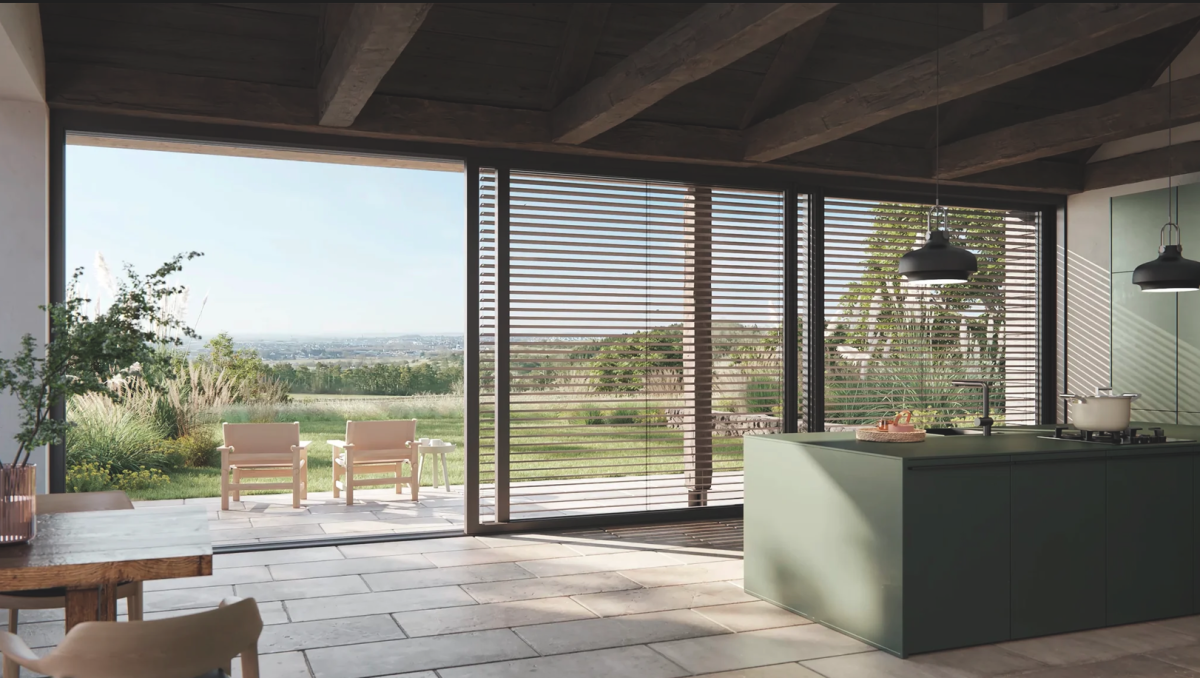
Building a house? What should you plan for so that external blinds can be installed in the future without altering the façade?
When designing and building a private house, dozens of decisions need to be made – about windows, the façade, heating, electrical wiring, lighting and other technical solutions. External blinds are not always a priority at this stage, and their necessity is often only considered once the house is complete. After living in the house for a while, you may find that rooms become excessively hot, direct sunlight interferes with everyday activities or more effective daylight control is needed. This raises the question – can external blinds be installed on a fully finished house?
In many cases, they can. However, a finished façade, completed window details and installed electrical wiring can limit the available options. This is particularly relevant if you want the façade blinds to be integrated into the building’s architecture as seamlessly as possible.
Therefore, even if you do not yet know whether external blinds will be needed in the future, it is worth planning for a few essential technical details during the design and construction of your house.
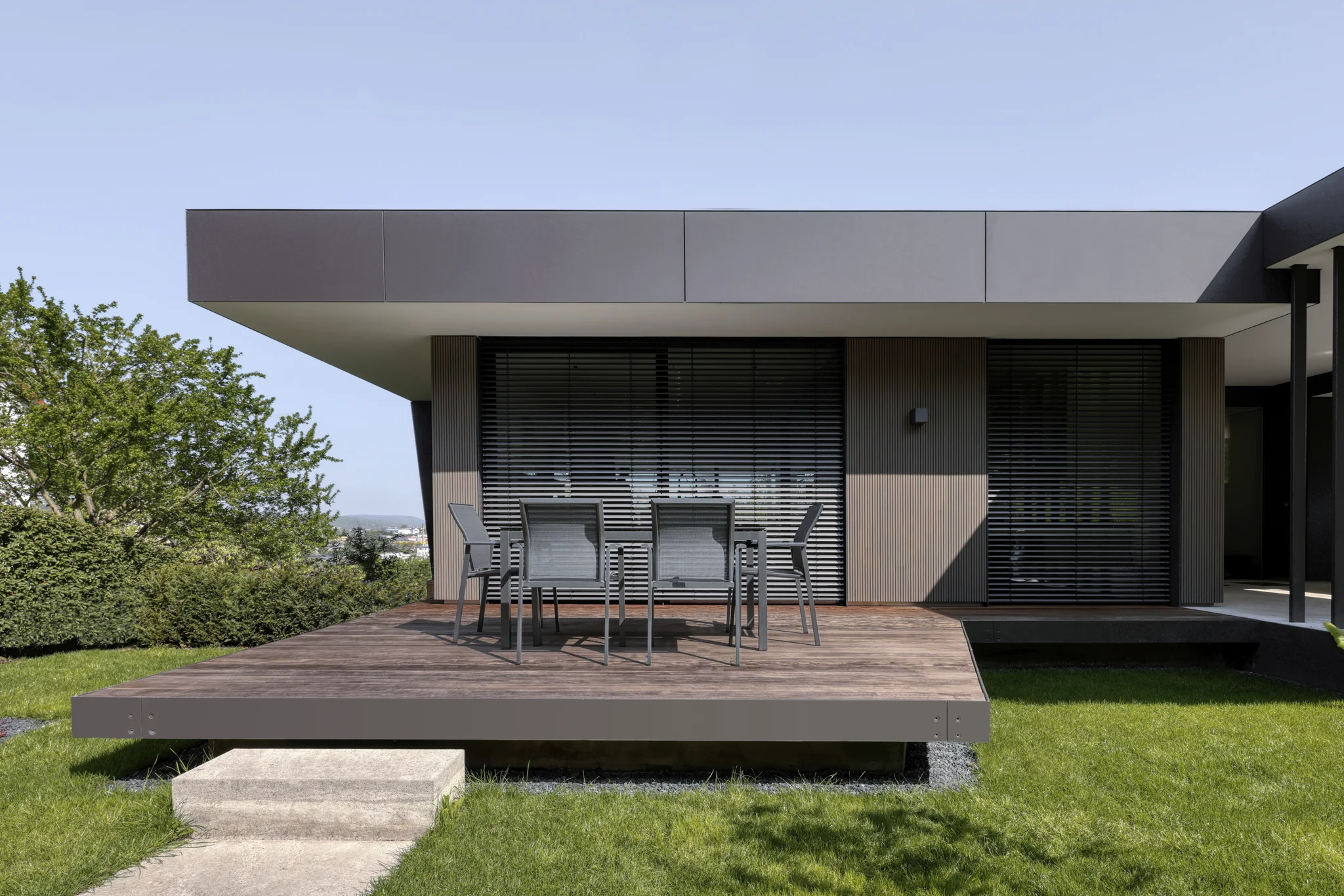
1. Plan electrical connection points for external blinds
External blinds are available with either manual or automated control. Therefore, not every solution requires a power supply.
However, if motorised blinds might be chosen in the future, it is worth planning the necessary electrical wiring during construction. Installing power cables before the façade and interior finishes are completed is considerably easier than adding them later.
Even if the future control method has not yet been decided, electrical wiring planned in advance helps keep a wider range of options available.
2. Coordinate external blinds with window and façade details
One of the most important prerequisites for an aesthetically pleasing result is the timely coordination of external blinds, windows, insulation and façade details.
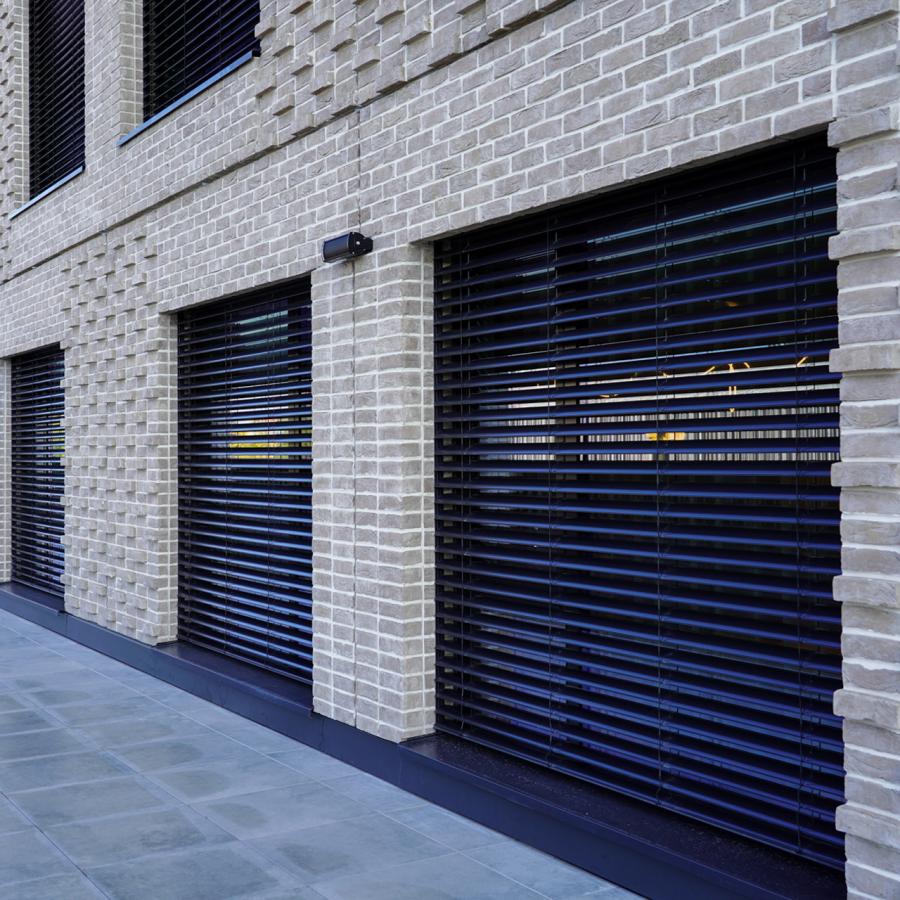
Depending on the chosen system, the blind cover box can be positioned in front of the façade, within the window recess or integrated into the façade.
Therefore, if there is a possibility that you may want to install façade blinds in the future, it is worth informing the architect and façade designer before the detailed construction drawings are developed.
This means deciding in advance which type of façade blinds will be integrated into the façade – fabric or aluminium.
3. Allow space for the external blind slats
When façade blinds are raised, the slats gather at the top of the window, forming a stack. This requires clear space, and its size depends on the height of the windows.
If the possible installation of external blinds is considered during the design stage, a solution can be planned in which the blind stack and its upper section are integrated into the façade as seamlessly as possible.
If the necessary space has not been allowed for and the façade is already finished, integration options may be more limited, and a different, more visually prominent mounting solution may be required. It is important to develop an installation detail.
4. Consider the external blind guides
Blind guides are profiles or cables positioned at the sides that guide the movement of the blinds and help ensure the stability of the system.
The positioning of the guides is linked to the window recess, window frame, insulation thickness and façade structure. Depending on the chosen system, both more visible solutions and solutions that are more fully integrated into the façade are possible.
If the installation of external blinds is only considered after the façade has been completed, it may not always be possible to implement the originally desired guide and mounting solution.
5. Plan external blind controls and automation
External blinds do more than shade a window. By changing the angle of the slats, it is possible to regulate the daylight entering the rooms and reduce the impact of direct solar radiation.
Blinds can be controlled individually, in groups or centrally. Depending on the chosen system, automation and integration into the building management system are also possible.
If a smart home system is planned for the house, it is worth discussing the potential control of external blinds during the electrical wiring and automation design stage.
Can external blinds be installed after the house is completed?
Yes, installing external blinds on an already completed house is possible in many cases. However, the specific options will depend on the building’s façade, window construction, insulation, available fixing points and electrical wiring.
If these issues have not been considered during construction, it may be necessary to choose a different mounting method, carry out additional work or accept visual compromises.
This is precisely why it is worth considering external solar shading during the house design stage – even if you do not yet know whether you will ever need façade blinds.
What should you plan for during construction if you might want external blinds in the future?
The most important considerations are:
- the possibility of providing a power supply for the blind motors;
- space for the blind stack above the window;
- suitable locations for guides and fixings;
- window and façade details coordinated with the potential blind system;
- the necessary electrical wiring for controls and automation.
These solutions do not oblige you to install external blinds. They simply preserve the option of choosing a more suitable solution in the future, rather than adapting to what an already completed façade allows.
When should LuxControl be involved in the project?
Ideally, before the technical solutions for the windows, façade and electrical wiring have been finalised.
This does not mean that external blinds need to be ordered immediately. LuxControl specialists can assess the house project and help determine what needs to be planned during construction so that external blinds can be installed correctly from a technical perspective and with an aesthetically pleasing result in the future.
An early consultation can help avoid unnecessary alterations to the façade and preserve greater freedom of choice when external blinds actually become necessary.