External Solar Shading – Why Is It Becoming a Standard in Modern Buildings?
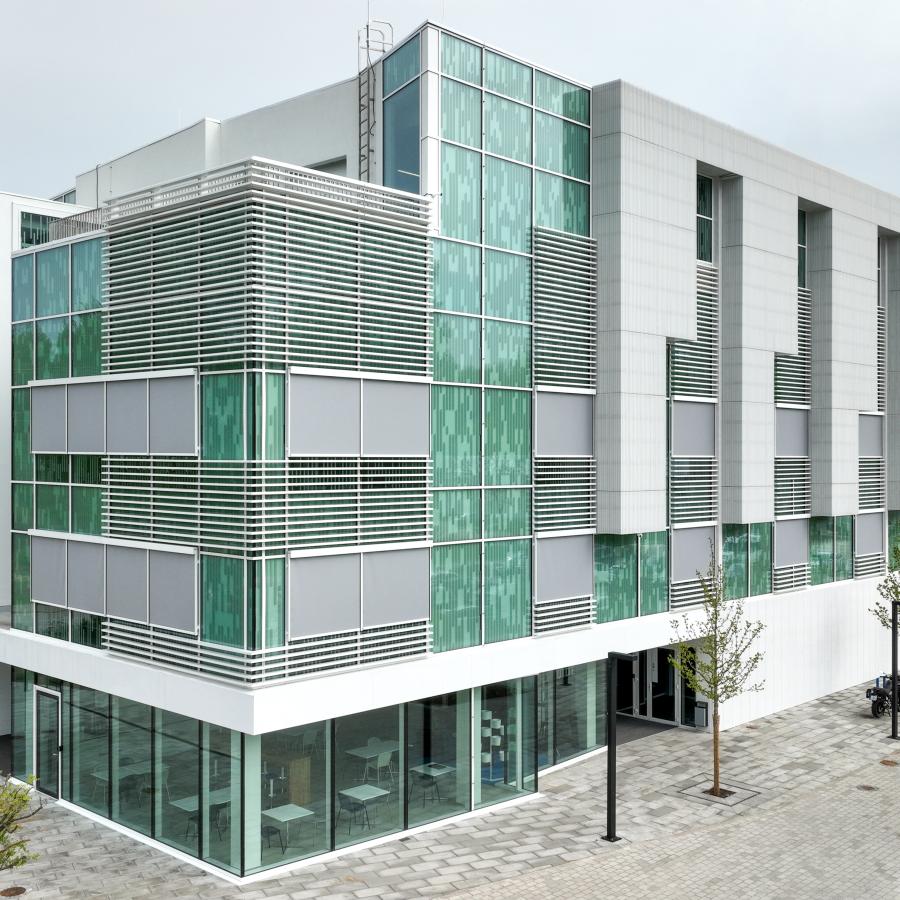
Large windows and glazed façades provide more natural daylight, but at the same time increase the risk of indoor overheating. External solar shading reduces unwanted heat gains at the façade before they enter the building, thereby reducing the need for cooling. The EU Energy Performance of Buildings Directive highlights solar shading as one of the factors to be taken into account when calculating a building’s energy performance.
External Solar Shading – A Standard in Modern Buildings
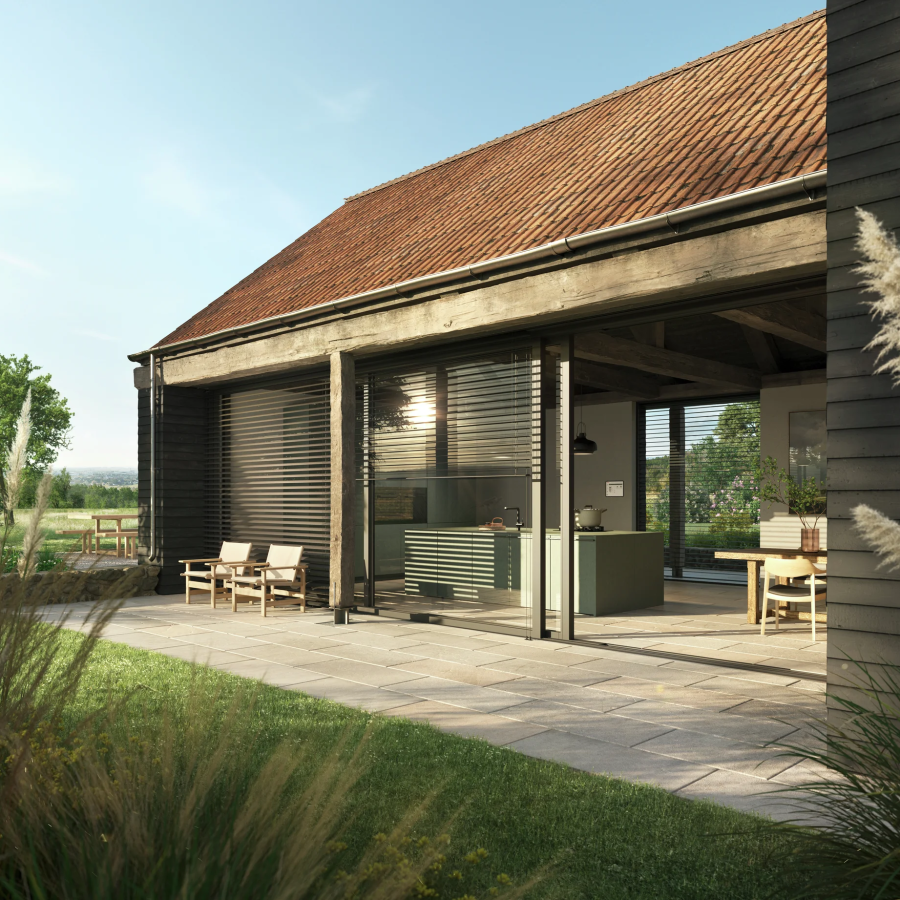
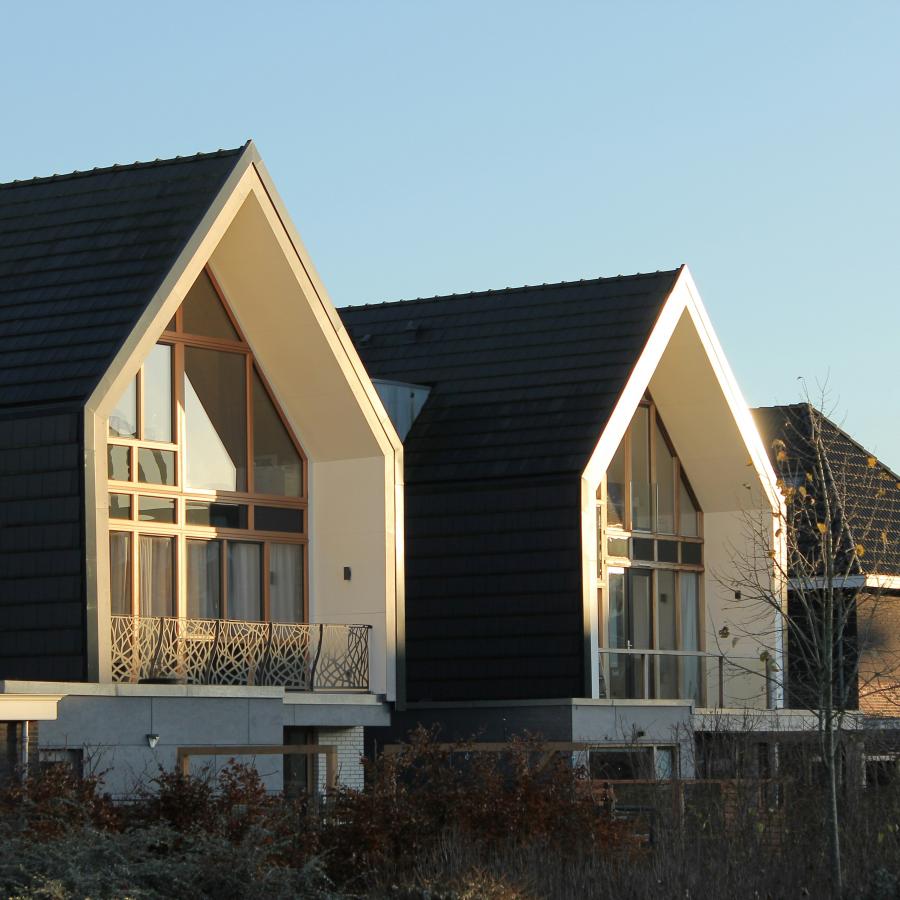
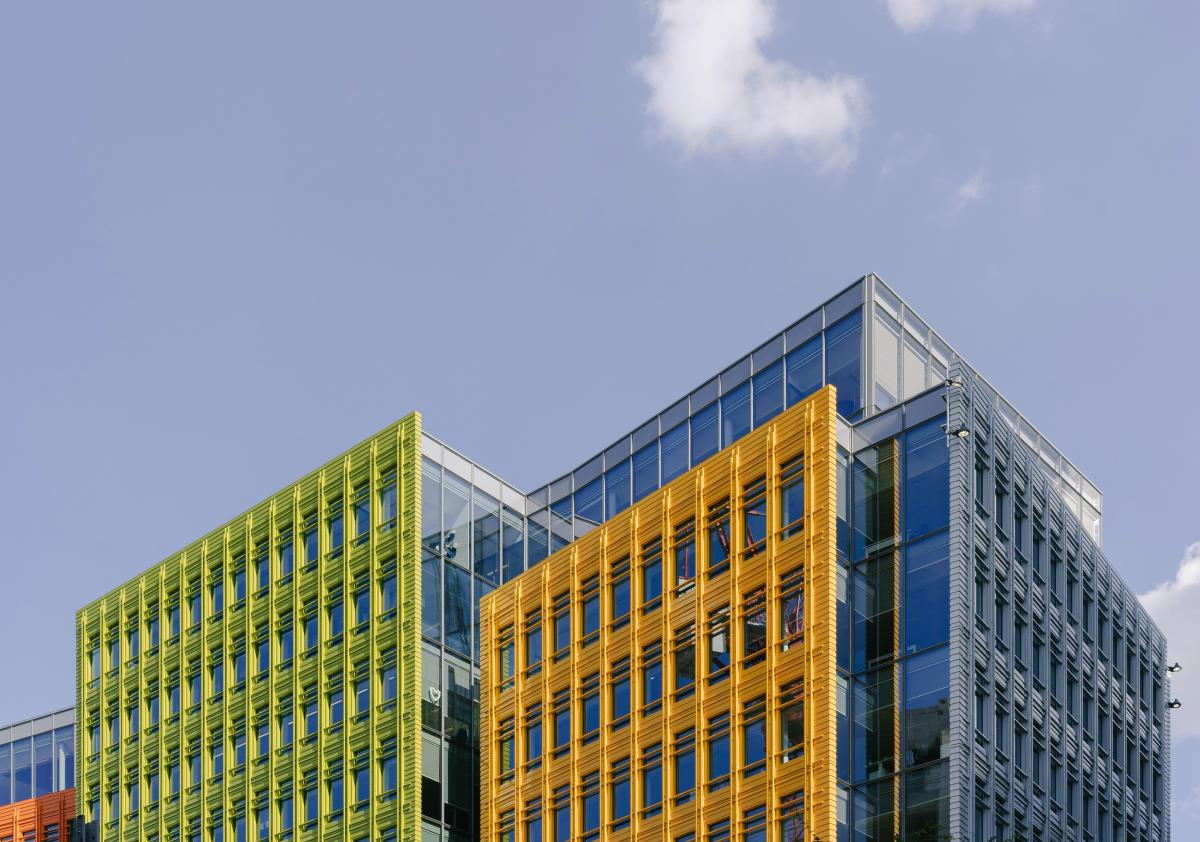
Large windows and glazed façades have become one of the defining features of contemporary architecture. They provide more natural daylight, visually connect interior spaces with the surrounding environment, and enable the creation of light, open façades.
However, larger glazed areas also create a significant challenge – solar heat gains and the risk of indoor overheating.
Therefore, an increasingly important question in the design of energy-efficient buildings is – how can unwanted solar heat be prevented from entering the building during summer?
One of the most effective solutions is external solar shading, which is increasingly being designed not as an optional addition, but as an integral part of the building's façade and energy-efficiency concept.
This trend is driven both by the widespread use of large glazed surfaces in architecture and by increasing requirements for building energy efficiency and overheating prevention. The basic principle is simple – reduce unwanted solar heat gains at the façade as much as possible, rather than consuming additional energy to cool the indoor spaces afterwards.
Building Overheating Is Becoming an Increasingly Important Design Consideration
The risk of overheating is not limited to Southern European climates. In buildings with a high proportion of glazing, intense solar radiation can significantly affect indoor temperatures even under Latvian climatic conditions – particularly on south- and west-facing façades.
The risk of overheating is influenced by several interconnected factors:
-
building and window orientation;
-
glazed area;
-
solar energy transmittance of the glazing;
-
type of space use;
-
ventilation possibilities;
-
thermal mass of the building;
-
the presence and control of external solar shading.
Therefore, the risk of overheating should be assessed already at the building design stage, rather than only after the building has been commissioned.
This also changes the approach to indoor cooling. Instead of focusing solely on providing the required cooling capacity, it is becoming increasingly important to first reduce the need for cooling itself.
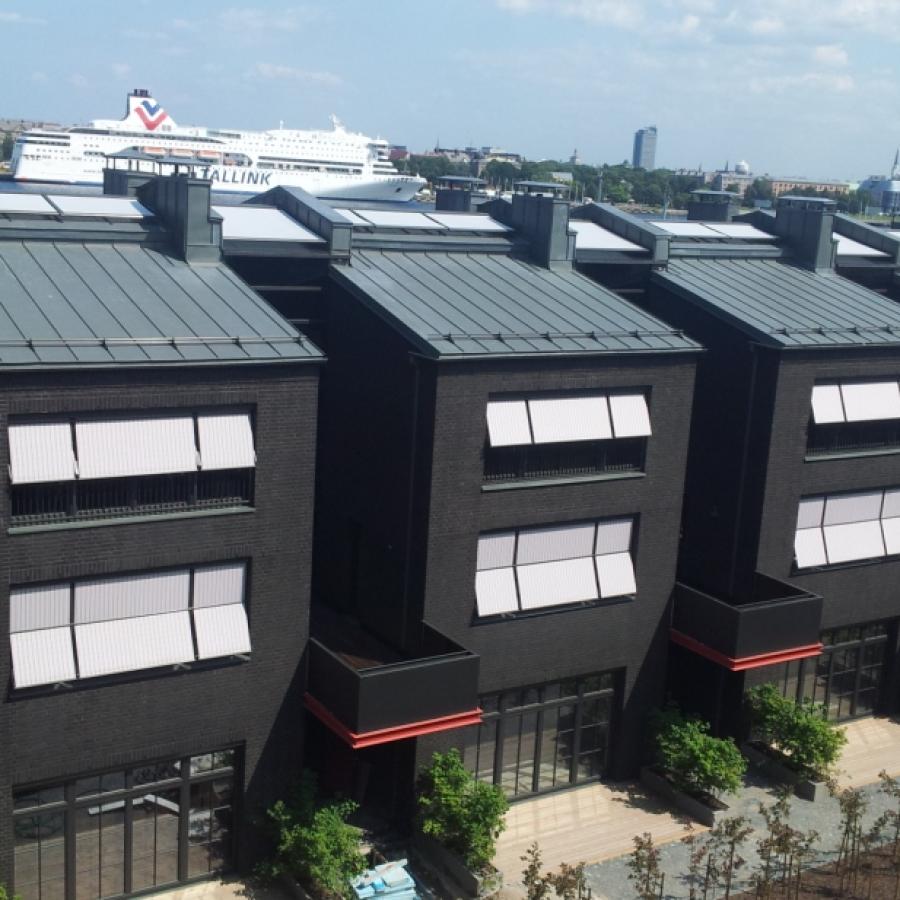
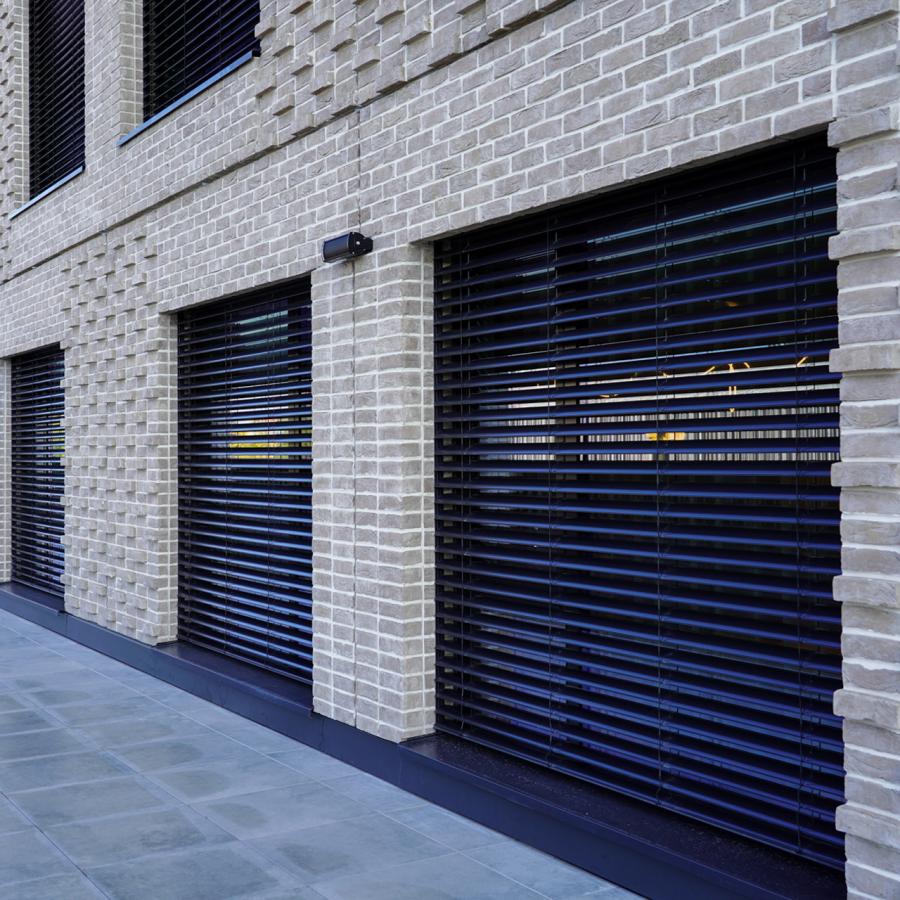
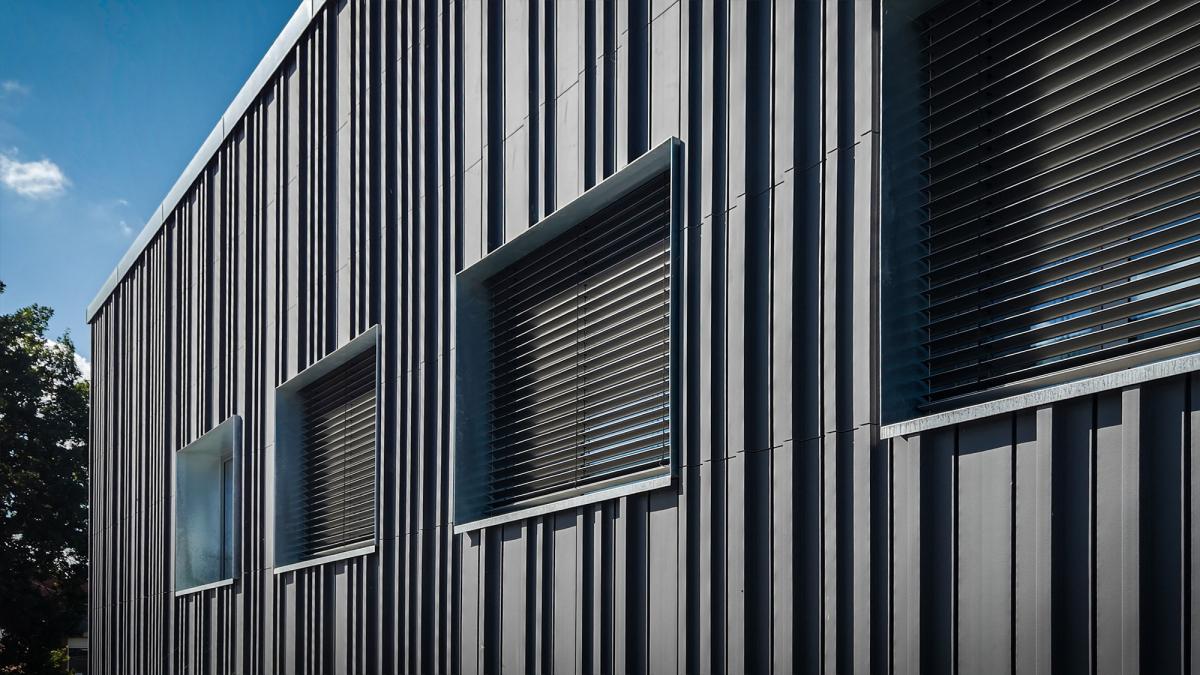
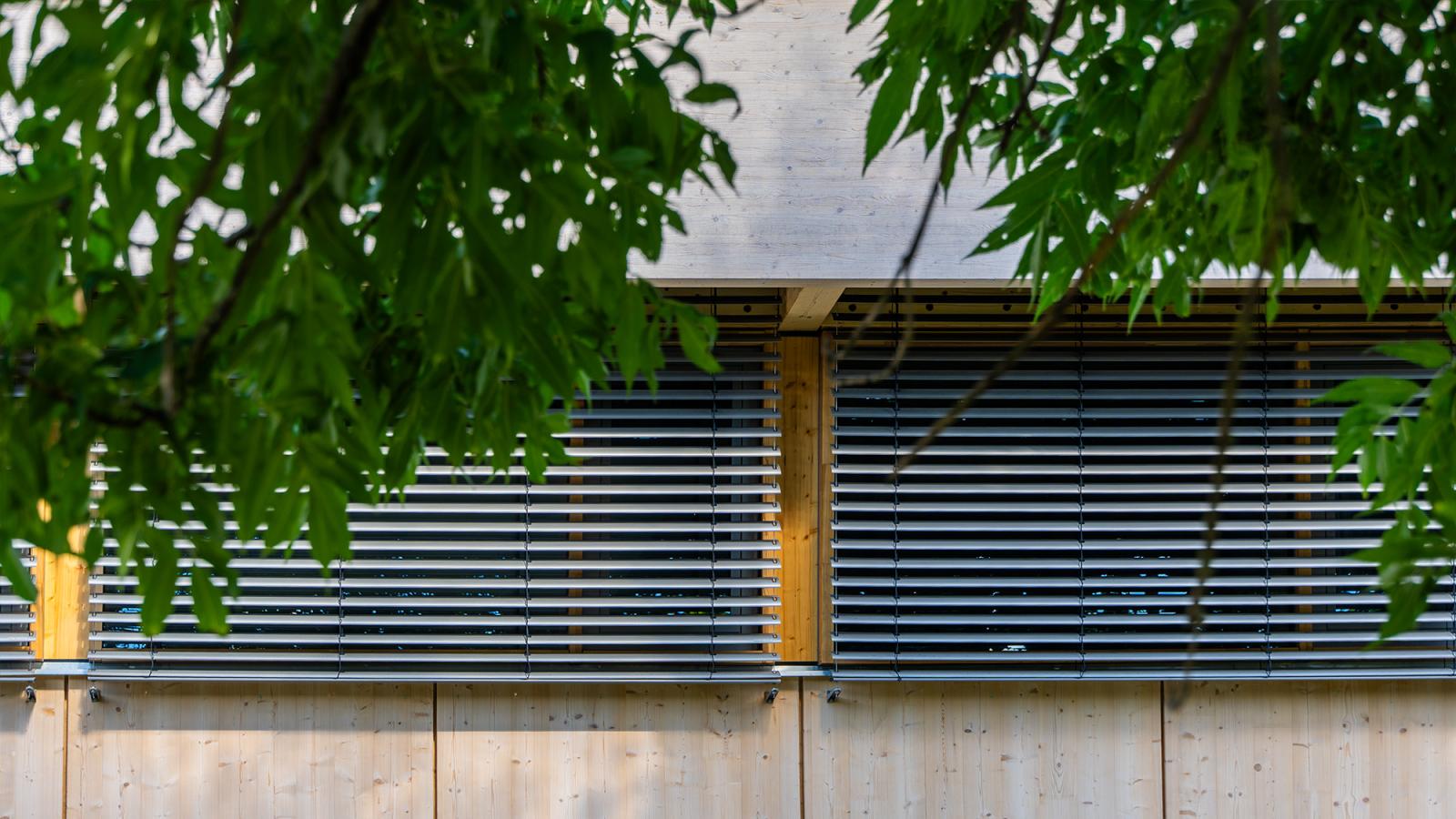
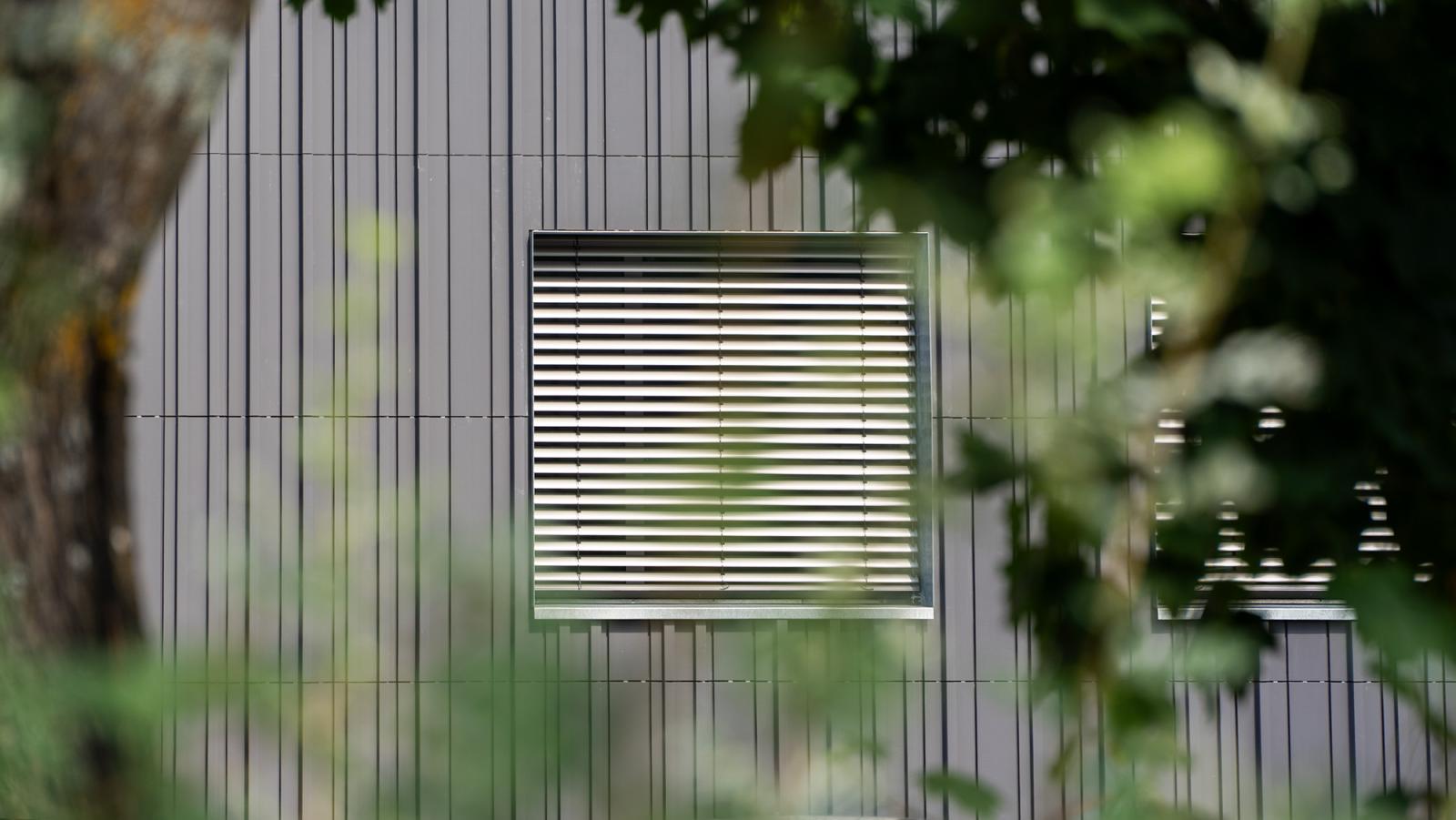
One way to achieve this is by limiting the amount of unwanted solar energy entering the building through the glazing. External venetian blinds and screen-type façade awnings operate on the outside of the building, allowing solar radiation to be controlled before it passes through the glazing and enters the interior.
EU Requirements Are Changing the Approach to Building Energy Efficiency
In 2024, the revised Energy Performance of Buildings Directive (EPBD) – Directive (EU) 2024/1275 was adopted, with the aim of improving the energy performance of buildings and moving the European building stock towards decarbonisation and zero-emission buildings.
The Directive entered into force on 28 May 2024. The general deadline for transposing the Directive into the national legislation of Member States was 29 May 2026.
One of the key directions of the revised Directive is the introduction of the zero-emission building standard for new buildings. From 1 January 2028, new buildings owned by public bodies must comply with the zero-emission building standard, while from 1 January 2030 this requirement applies to all new buildings.
Energy efficiency can therefore no longer be viewed solely through the prism of more efficient heating, ventilation or cooling systems. The ability of the building itself to reduce energy demand is also essential.
In this context, it is particularly significant that the EPBD methodology for calculating the energy performance of buildings explicitly includes passive solar systems and solar protection among the aspects to be taken into account, alongside building location and orientation, cooling elements, and building automation and control systems.
This does not mean that the Directive mandates the installation of external venetian blinds or screen awnings. However, it clearly demonstrates that solar shading is one of the factors that should be considered when assessing a building's energy performance.
From an Architectural Element to an Energy-Efficiency Solution
A modern façade is no longer expected merely to look good – it should also contribute to a comfortable indoor climate and help reduce the building's energy consumption. As EU regulations move the construction sector towards zero-emission buildings, external solar shading is becoming an important element of the next generation of façades.
When designed as an integrated system together with the glazing and building automation, external solar shading can respond to changing outdoor conditions and limit solar heat gains precisely when needed. This approach makes it possible to preserve architectural openness while preventing extensive glazed surfaces from becoming a weak point in the building's energy balance.
Sources
Directive (EU) 2024/1275 of the European Parliament and of the Council on the energy performance of buildings (EPBD) – full legal text, including Article 7 on new buildings.
European Commission – Energy Performance of Buildings Directive – official explanation of the EPBD, its objectives and implementation context.
European Commission – Zero-emission buildings – explanation of the zero-emission building standard and the 2028/2030 requirements.